Spring to Summer HVAC Tune-Up: Port Chester Seasonal AC Readiness

As the Hudson shoreline warms and Port Chester shifts from rainy spring to humid summer, your air conditioner becomes the unsung hero of home comfort. Yet many breakdowns occur right when you need cooling most—on the first heat wave—because systems weren’t prepared. A strategic spring-to-summer HVAC tune-up bridges that gap, ensuring summer AC readiness, higher efficiency, lower bills, and a longer equipment lifespan. Whether you manage a busy household or a small business, a thoughtful approach to HVAC preventive maintenance now pays off all season.
Why a Spring AC Inspection Matters in Port Chester Spring brings pollen, dampness, and fluctuating temperatures. Those conditions stress outdoor equipment and clog indoor components. A spring AC inspection identifies wear, airflow restrictions, and early signs of failure before they escalate into costly issues during peak demand. Local technicians familiar with Port Chester AC upkeep understand our microclimate—coastal humidity, salt exposure, and tree debris—and tailor HVAC tune-up services to address them.
A well-planned spring appointment also lets you schedule repairs at convenient times, avoiding the midsummer scramble when service calendars fill quickly. It’s the difference between being reactive and proactive.
Key Elements of a Seasonal HVAC Checklist A thorough seasonal HVAC checklist looks beyond “does it turn on?” to ensure safe, efficient, and reliable operation. Expect your technician to address:
- Thermostat calibration: Confirm accurate temperature readings and set efficient schedules for summer AC readiness. Consider a smart thermostat if you haven’t upgraded. Electrical and controls check: Tighten connections, test capacitors and contactors, and verify that safety controls respond correctly. Air filter replacement: Restricted filters strain the blower, reduce comfort, and can freeze the evaporator coil. In homes with pets or allergies, monthly checks are wise; at minimum, replace every 60–90 days. Condenser coil cleaning: Dirt and pollen on the outdoor coil reduce heat transfer, driving up energy use. Professional condenser coil cleaning restores capacity and lowers operating pressures. Indoor coil and blower inspection: Dust on the evaporator coil or blower wheel impedes airflow, triggers icing, and shortens compressor life. Refrigerant assessment: Proper charge is essential for efficiency and compressor protection. Technicians test superheat/subcooling to verify performance. Drainage and pan check: Clear the condensate line, treat for algae, and test the safety float switch to prevent leaks. Ductwork and airflow: Inspect for leaks, crushed sections, or blocked registers. Balanced airflow improves comfort in every room. Safety and performance test: Measure temperature split, static pressure, and amperage draw, then document baseline data for future HVAC preventive maintenance.
Benefits of Energy-Efficient AC Care Attentive maintenance translates to tangible savings. Clean coils, correct refrigerant levels, and proper airflow can reclaim 10–30% of lost efficiency. You’ll notice:
- Lower utility bills: Efficient systems run fewer, shorter cycles. Better comfort: Faster cool-downs, more even temperatures, and improved humidity control. Fewer breakdowns: Catching failing capacitors, weak fan motors, or clogged drains prevents emergency calls. Longer system life: Reduced stress on compressors and blowers. Cleaner indoor air: Regular air filter replacement and coil hygiene reduce dust and allergens.
What to Do Now: A Step-by-Step Spring Plan 1) Book a spring AC inspection: Aim for late March to May in Port Chester, before prolonged heat and higher humidity arrive. Ask specifically for HVAC tune-up services, not just a “checkup,” to ensure a full diagnostic.
2) Replace or upgrade filters: Choose the right MERV rating for your system and household. Higher isn’t always better—overly restrictive filters can reduce airflow. Many Port Chester homeowners do best with MERV 8–11.
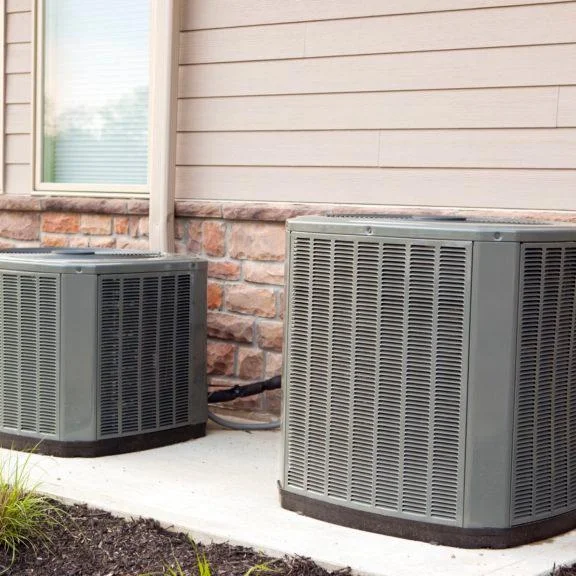
3) Clear the outdoor unit: Trim back vegetation at least 18–24 inches, remove leaves and nesting debris, and ensure the unit is level. Good airflow supports energy-efficient AC care.
4) Confirm thermostat settings: Program efficient schedules—slight setbacks when you’re away, but not so extreme that the system strains to recover. Use the fan on “auto” unless your technician recommends otherwise.
5) Evaluate duct sealing: In older homes, sealing and insulating accessible ducts may be the biggest efficiency upgrade after a tune-up. Leaky ducts waste cooled air and increase runtime.
6) Plan for condenser coil cleaning: If the unit sits near trees, roadways, or coastal winds, coil contamination happens faster. Professional cleaning during your tune-up keeps performance high.
7) Map your seasonal HVAC checklist: Note filter changes, drain treatments, and visual checks on your calendar. Consistency is the heart of HVAC preventive maintenance.
How Professionals Optimize Port Chester AC Upkeep Experienced technicians bring measurement-driven diagnostics to every call. They benchmark static pressure and temperature split, verify refrigerant charge using manufacturer tables, and identify hidden airflow constraints. They also understand local building styles—multi-family units, historic homes, and newer townhomes—and adjust maintenance strategies accordingly.
For example, garden-level condensers near sidewalks collect more grit and need more frequent condenser coil cleaning. Top-floor apartments experience higher heat gain and benefit from careful airflow balancing. Homes near the shore may require corrosion-resistant parts and protective coatings. Tailoring HVAC tune-up services to these realities improves reliability across the summer.
When to Consider Repairs or Upgrades A tune-up may reveal components nearing end-of-life: pitted contactors, weak capacitors, worn fan bearings, or a leaking coil. Addressing these proactively averts peak-season failures. If the system is 10–15 years old and frequently needs repairs, compare the costs and benefits of replacement. Today’s high-SEER2 systems, paired with smart controls and properly sealed ductwork, can significantly reduce summer energy use in Port Chester.
Indoor Air Quality Bonus Spring is prime allergy season. Integrating IAQ improvements—appropriate filters, UV lights for coils, and routine drain maintenance—complements energy-efficient AC care and helps the whole family breathe easier. Just ensure any additions are compatible with your equipment and airflow requirements.
Simple Owner Tasks Between Visits
- Check filters monthly; replace as needed. Keep the outdoor unit clean and unobstructed. Monitor the condensate line for slow drainage. Listen for unusual noises or short cycling. Note any hot rooms or weak airflow and share with your technician.
Choosing the Right Partner in Port Chester, NY Look for licensed, insured providers who offer clear, itemized HVAC tune-up services with measurable results. Ask whether the visit includes a written report, photos of key components, and recommendations prioritized by safety, performance, and budget. Membership plans can be cost-effective, bundling spring service with fall heating checks for year-round peace of mind.
The Bottom Line A focused spring-to-summer tune-up is the most effective path to summer AC readiness. By following a seasonal HVAC checklist, scheduling professional service, and staying consistent with small homeowner tasks like air filter replacement, you’ll safeguard comfort, manage costs, and extend system life. Port Chester AC upkeep done right turns hot, humid forecasts into just another pleasant day indoors.
Questions and Answers
Q1: How often should I schedule AC maintenance in Port Chester, NY? A: At least once a year in spring. If you have pets, allergies, or heavy usage, consider mid-season checks or a maintenance plan for added HVAC preventive maintenance.
Q2: Can I clean https://penzu.com/p/ec8493cdd05947a7 the outdoor unit myself? A: You can gently rinse the fins from the outside with a garden hose after power is disconnected and debris is removed. Deeper condenser coil cleaning and any internal work should be handled by a professional.
Q3: What filter should I use? A: Most homes do well with MERV 8–11. Higher ratings may restrict airflow unless your system is designed for them. Regular air filter replacement is more important than the highest MERV number.
Q4: My AC runs but doesn’t cool well—what should I check first? A: Verify a clean filter, unobstructed vents, and correct thermostat settings. If issues persist, schedule a spring AC inspection to assess refrigerant levels, coils, and airflow.
Q5: How can I reduce summer energy bills without sacrificing comfort? A: Combine energy-efficient AC care—clean coils, proper charge, sealed ducts—with smart thermostat schedules, ceiling fans, and shade for west-facing windows. Regular HVAC tune-up services keep savings consistent.